Tuesday, 16 February 2021

A Domestic Worker' Story - photo essay on love, loss, and displacement


Caroline’s daughter, Elodie with Juning’s second son, Roel, on the family farm in Bantayan Island/Credit: Caroline Irby
 

Award-winning photographer Caroline Irby grew up in London with Juning, a Filipina woman, who stayed with her family for 22 years, first in Hong Kong, then in London.  “I can’t say where Juning’s influence on my early years began and ended: she was in almost every part of my life.”  Caroline says that today no smell is more comforting than the smell of rice, which Juning loved to cook. And it is now her children’s staple.

But Juning had four children of her own living on her native Bantayan, a small island in the Philippines 7,000 miles away.  

It was only when Caroline became a mother herself that she grasped the price Juning and her children had to pay. “I can’t shake off a feeling of strangeness that their lives and mine carried on in parallel for all those years, mine with their mother, theirs without. We are all part of the same curious equation, and after decades of living in tandem but remotely, I wanted to try to understand how this all happened and what the effect on the people involved had been.”


Juning’s four children left behind
The result is Someone Else’s Mother”, a beautiful and sensitive photo essay, interweaving Caroline's own recollections of a childhood spent with Juning with conversations and photos with Juning and her four children – gleaned in London and over three visits to Bantayan.

I found the book particularly interesting and moving because, although it tells the very personal story of Caroline and Juning and their families, it also echoes parts of the stories of millions of nannies and their host families across the world.

Every day, just from the Philippines, 5,000 people leave their country in search of work abroad. For decades, this movement has been female dominated: more than 70% of Filipino emigrants are currently women.


When she became a mother, Caroline decided to look after her children herself as much as possible, aware that is a freedom of choice Juning couldn’t have.

Juning explained: “I was desperate to earn more money. My children were still young and I left them with my mother. It hurt me when I left them, but I had no choice: I had to work abroad for their education.”

And Roly, Juning’s oldest child, told Caroline when she visited Bantayan in 2018 with her own children:  “I was lonely. Everywhere I was looking for her care. You were lucky, Caroline: you had her care for so many years. I had no one to talk to when I had a problem.”

Juning achieved her goal of feeding and educating her family: three of them have university degrees. Between them, there is a farm, several other homes, nine children, two foster children, and the extended family is well supported. “Quietly, Juning has been a vessel for a huge amount of change.”

Yet, “Someone Else’s Mother” is a bittersweet story with no happy ending. The thoughtful texts and light-infused photography weave together a story of  attachment, loneliness and displacement, love and loss, memory, sadness and hope, guilt and inequality. It is also a story to try to understand.  

And nannies and domestic workers all over the world will recognize parts of that story.

The book, published by Schilt in 2020, can be ordered online and from bookstores (and here).

Juning’s grown up children with Caroline’s children on Batayan Island/Credit: Caroline Irby


Friday, 29 January 2021

World's first graphic novel made by homeless people


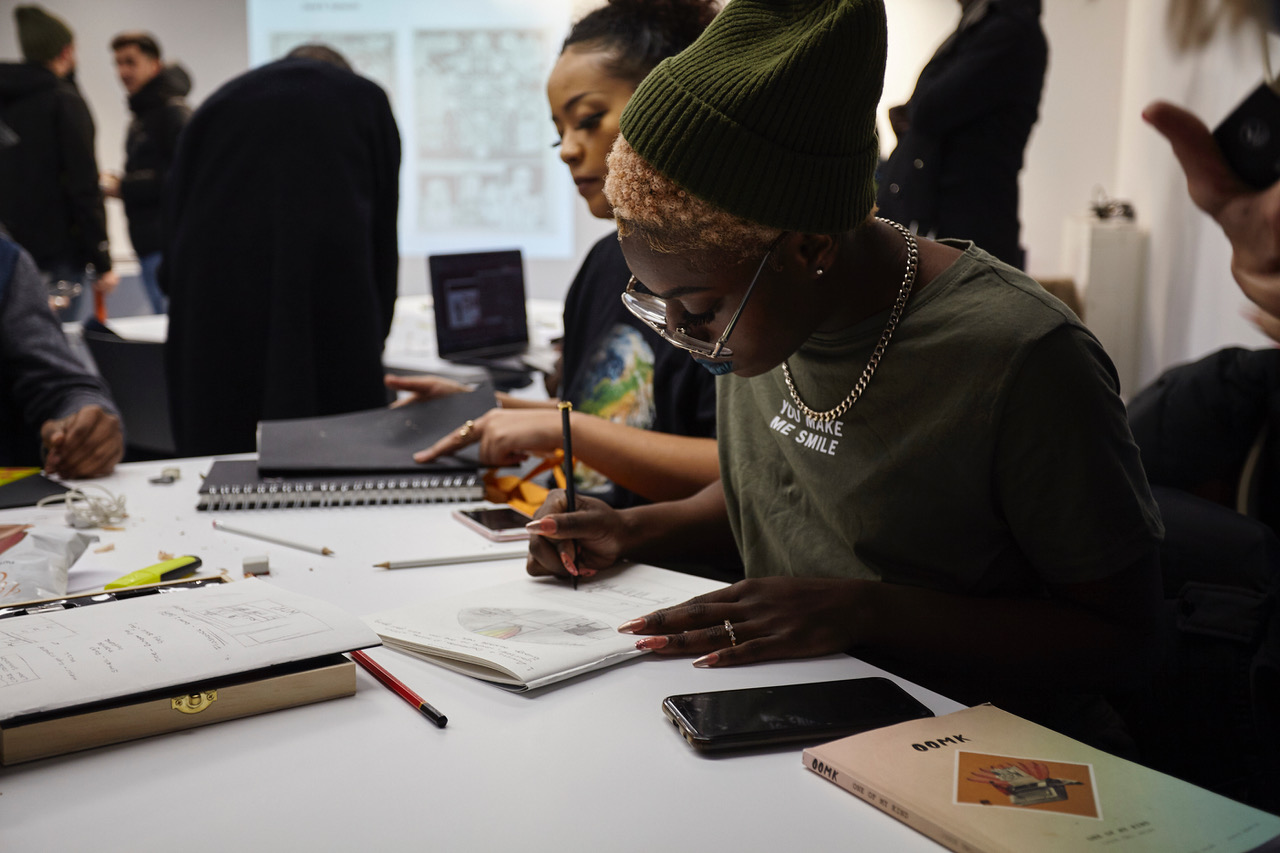
Authors working on The Book of Homelessness/Courtesy of Accumulate

I love graphic novels and I love stories told by the people who are experiencing them, so this is my kind of book.

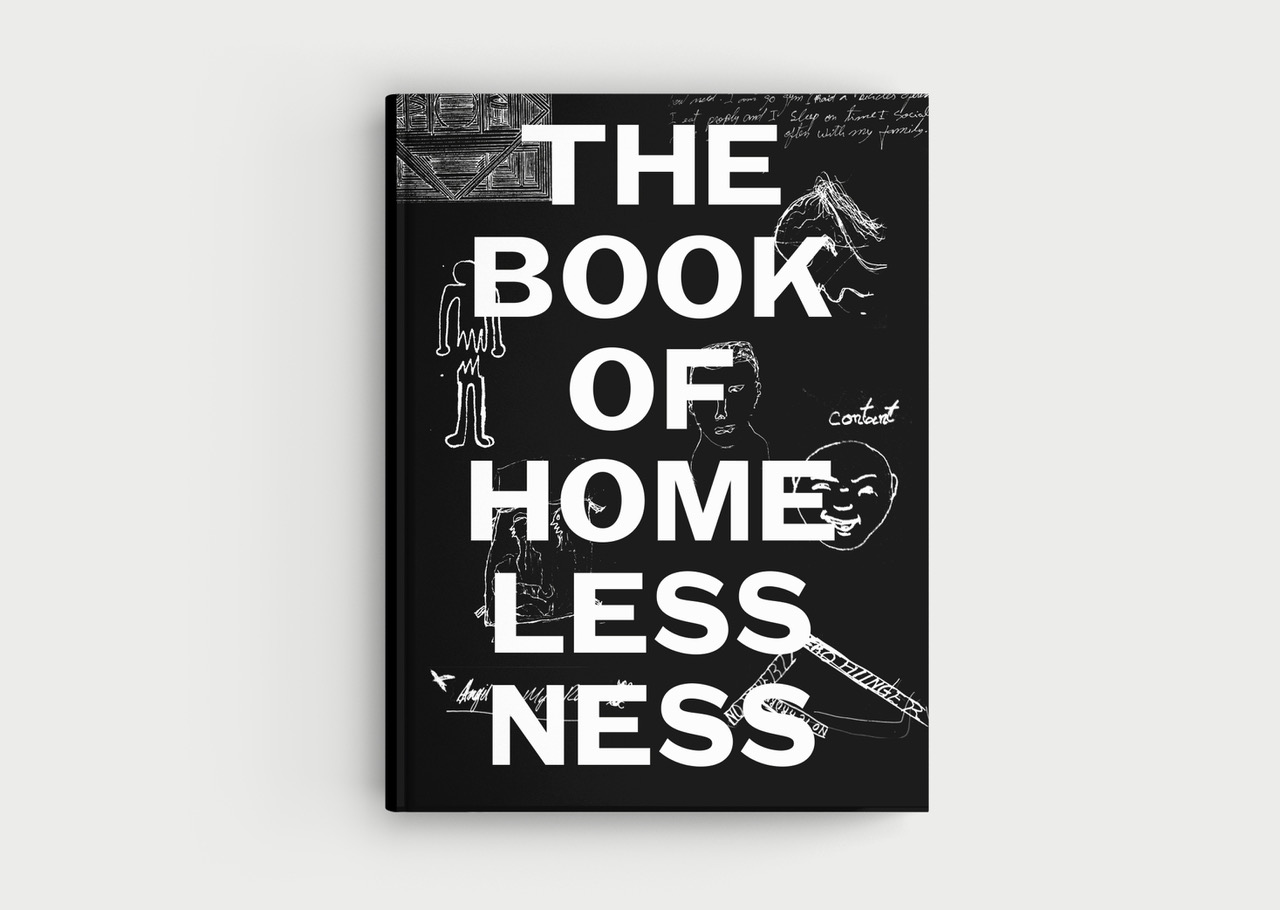
The Book of Homelessness, recently published in the UK, shares the life stories of people affected by homelessness through their own drawings, texts, poetry and photography. Their stories are personal, emotional, raw and honest. They talk about pain, abuse and dysfunction, about families, war, rejection and misplaced love, and  about overcoming difficulties and fighting and succeeding. 


By telling their own stories in the form they wanted to tell them, the authors hope to show the complexities of homelessness and what causes it – and perhaps help change perceptions around homelessness.

 The project is the brainchild of Marice Cumber, founder of youth homelessness charity Accumulate, which describes itself as “the art school of the homeless”.

The charity encourages young homeless people’s creativity through courses on fashion, photography, sculpture, graphic design and more. They also hold exhibitions and source funding to send really talented individuals to arts college. (So far, they’ve sent 20 to arts college).

Accumulate launched a crowdfunding initiative for the book two years ago, and creative workshops with the participants – who were all living in hostels, shelters or temporary accommodation – started last January.

Samantha Morton, herself previously homeless, has written an intro to the book entitled “How homelessness shaped my life”, and Colin Firth has said about it: "This is a remarkable collection in any context. The fact that these beautiful, personal works are the expressions of our neighbours who are homeless makes it untenable to ignore them ever again."

All profits from The Book of Homelessness are shared with its authors and Accumulate so it can continue to provide creative workshops for people who are homeless.

Please visit Accumulate to purchase a copy of the book (£25)

Monday, 23 November 2020

A bloody problem - Why and how is Poland’s richest woman trying to tackle period poverty


Dominika Kulczyk attends a lesson on menstruation in Nepal/ courtesy of Kulczyk Foundation


In India, 78%of women cannot afford menstrual products and between 6% and 43% say they missed school or work due to menstruation. Even in the UK, a recent report by Plan International UK revealed that 3 in 10 girls struggle to afford or access sanitary wear.


Globally, around 500 million people lack complete menstrual health and hygiene, something the world calls period poverty, according to UNICEF.


Harmful stigma, lack of access to toilets and water, lack of education or not being able to afford tampons and pads cause millions of girls and women worldwide to miss out on education, job opportunities and quality of life. And Covid-19 is making things worse.


Yet, despite growing attention over the past few years, period poverty remains massively neglected.

That a fundamentally basic need can be so challenging in 2020 is astounding. Why is more not being done?

This is a question Dominika Kulczyk wanted to address. She is a philanthropist, entrepreneur and a journalist – and also Poland’s richest woman.


“As a journalist and film director, I have seen the devastating impact of period poverty first-hand. If you are made to feel ashamed of your body, struggle because of the stigma, if you cannot attend school or go to work because your clothes are red, then you cannot participate fully in society,” Kulczyk says.

“Access to complete menstrual health and hygiene is a basic human right. Without it, women and girls cannot pursue full lives with dignity and confidence. It is deeply unfair that girls in all parts of the world miss out on better education, and women on work, because they were too poor to have a period.”

After filming in Nepal earlier this year and seeing women and girls asked to hide in caves and cowsheds while on their period, Kulczyk decided to act.

As a first step, she partnered the KulczykFoundation (her family foundation) with Founders Pledge to produce an extensive report reviewing the current state of funding and solutions to ending period poverty. 


One of the report’s shocking findings is that global spending on period poverty amounts to less than 20¢ per woman per year. “It means that the issue is not taken seriously by anyone,” Kulczyk says.


The report highlights eight organizations providing outstanding and cost-effective solutions in different parts of the world, and and what are the next steps for the international community in terms of funding.


 “The Kulczyk Foundation’s report highlights this fundamental gendered inequality that persists globally – and serves as a call to action to governments, donors and the world, to take long overdue action on period poverty,” says Marni Sommer, Associate Professor, Columbia University, who contributed to the report.


Wednesday, 23 September 2020

Run for Rangers – Rangers across Africa unite to protect wildlife from Covid-19 impact

Leruati Morijo, a ranger at a remote outpost on Lewa Wildlife Conservancy in Kenya, cares for a baby rhino. Credit: Martin Buzora, Wildlife Ranger Challenge  


Covid-19 has devastated African wildlife tourism with calamitous impacts on the animals and the people who have dedicated their lives protecting them. In response, rangers across Africa are taking part of a challenge to raise money to bring thousands of their colleagues back to the field. And you can help too.


Next week, on 3rd October, up to 50 ranger teams spanning the African continent will compete in the Wildlife Ranger Challenge, a half marathon race carrying their 25kg backpack containing a typical day’s equipment - along the way, building friendship and raising awareness of the hardship currently faced by those in their profession. 


Supporters around the world are encouraged to bolster their efforts and to ‘Run with Rangers’ by taking part in a virtual 5, 10 or 21km run and donating funds or raising sponsorship.


Support is coming from the world’s greatest long distance runner, Eliud Kipchoge from Kenya, adventurers and TV personalities Bear Grylls and Levison Wood, as well as the Duke of Cambridge, Tusk’s Patron, along with many other people internationally.


In 2018, the global wildlife tourism economy generated over $100bn and provided 9 million jobs, worldwide, but Covid-19 has resulted in an almost complete end to cross-border travel.  The African Union has suggested that the cost of the pandemic on the African travel sector may be $50 billion. 


The Game Ranger Association of Africa estimates that there are between 40,000 and 50,000 rangers across the continent and that the vast majority of them have either been furloughed or had their salary reduced by 50% to 80% - leaving families destitute and wildlife vulnerable and unprotected.


With remaining rangers stretched to capacity and international and national borders re-opening, it is feared that protected areas across Africa will experience a rapid increase in illegal poaching, as well as a decline in wellbeing and economic security for the communities to whom this wildlife belongs.  This threatens to undo years of rangers’ conservation gains, compromising decades of development and conservation work across Africa.


Funds raised through the Wildlife Ranger Challenge will cover salaries for at least 5,000 rangers, enabling them to provide for their families, protect communities and defend endangered wildlife -including elephant, pangolin, rhino and lion - in some of the continent’s most vulnerable areas.


“I have spent my entire career working for Malawi’s people and wildlife. I have worked with and alongside wildlife rangers, and even as one myself, and I know they are the lifeblood of the conservation sector in Africa,” says Brighton Kumchedwa, Director, Department of National Parks and Wildlife, Malawi.


“I have seen us move from a period of plenty in terms of wildlife to a period of huge losses. We must support rangers to work every day to ensure that our wildlife [is] not lost. The wildlife crisis we are facing is terrifying, but by supporting rangers we are in a position to make a difference, before it is too late. That’s what I remind myself every day.” 


Friday, 24 July 2020

Hear Us – How refugee and asylum-seeking women experienced the pandemic


“Being destitute during a pandemic is the worst feeling ever. It makes you feel like you are just a box and if someone wanted to kick you, they could. It’s not easy relying on other people for food and shelter and it has caused me a lot of mental health issues,” says Edna (not her real name), who is living with no statutory support and relying on charities for her survival in Liverpool.


Edna is one of 115 refugee and asylum-seeking women in the UK who have shared their experiences during the pandemic for ‘Hear Us’, a new report by Sisters Not Strangers, a coalition of eight organisations. 

Most of these women have already fled violence and abuse. During the pandemic, they became more vulnerable: three quarters of them went hungry, a fifth of them were homeless, and most of them said that their mental health got worse, according to the report. 


The government’s research on the impact of Covid-19 on BAME communities found that Black, Asian and minority ethnic (BAME) women are almost three times more likely to die from COVID-19, compared to white women. The intersection of gender, race and immigration status, coupled with the trauma of their past experiences, means that asylum-seeking women are among those BAME women most affected by the consequences of the outbreak.


With charities closed, women have been unable to access meals and small hardship payments that have become so crucial both for women within the asylum system, who live in poverty, and women refused asylum, who are so often left destitute.


Three quarters of the women surveyed went hungry, including mothers who struggled to feed their children. A third of women were at high risk from coronavirus, reporting a serious health condition such as asthma, heart disease and diabetes. While the government emphasised social distancing, a fifth of women were homeless, relying on temporary arrangements with community members, and moving from one house to another. Self-isolation was impossible for the 21% of women who were forced to sleep in the same room as a non-family member. Frequent handwashing was a serious challenge for the 32% of women who struggled to afford soap and other hygiene products. A fifth of staff and volunteers had supported women who were trapped in unwanted or abusive relationships during the pandemic. 

Lo Lo (not her real name), an asylum-seeking woman who was homeless in London during lockdown says, “I have serious health conditions that mean it would be particularly dangerous for me to catch the virus. For a week during lockdown, I slept on buses. I went from one side of London to the other, because it was free to travel on the bus then.”

“Previous research has established that almost all women who seek asylum in the UK are survivors of gender-based violence. Even before this crisis, we have seen how they are forced into poverty and struggle to find safety,” says Natasha Walter, director of Women for Refugee Women.  “During the pandemic they have too often been left without basic support including food and shelter. It is now vital that we listen to these women and ensure that we build a fairer and more caring society.” 

In exposing deep structural inequalities along existing fault-lines of gender, race, citizenship and class, the pandemic is testing our society. We cannot simply return to normal, the report concludes. “We must seize this opportunity to build back better, and to create a society centred on solidarity and human dignity in which the lives of women seeking asylum, and women of colour, are fully valued.”

The Sisters Not Strangers coalition includes Coventry Asylum and Refugee Action Group, Development and Empowerment for Women’s Advancement (Sheffield), Oasis Cardiff, Refugee Women Connect (Liverpool), Swansea Women’s Asylum and Refugee Support Group, Women Asylum Seekers Together Manchester, Women for Refugee Women (London) and Women with Hope (Birmingham)


Thursday, 2 July 2020

Renowned Iranian scientists attacked because of child rights activism

Jahangir (left) and Shahin Gavanji

Two Iranian brothers, both respected research scientists and child rights activists, have been severely beaten by fundamentalists who see their campaigning work – particularly against child marriage - as promoting anti-Islamic values. Fearing for their lives, they had to flee the country. 

Last May, a group of motorcyclists descended on the brothers’ home in Isfahan. They assaulted them with truncheons and electric cables, and threatened to splash hydrochloric acid on their faces. “They wanted to blind us. They shouted: ‘Away with you, you are representatives of America, Israel and the United Kingdom’. It was horrible. I still remember the voice who said: ‘We will kill you both.’ My brother Jahangir lost 30 kilos in one month because of the stress, and his leg is now numb and he cannot walk properly," says Shahin Gavanji, 35.

"We don't want to do any political or religious activities," says Gavanji. "We only want to focus on children's rights.  Child marriage is a big problem in Iran, as well as child labour, and physical and sexual abuse of children are totally ignored.”

More than half a million marriages of children are registered in Iran every year, according to the Persian-language Entekhab news website. Up to 40,000 of them are between the age 11 and 14, and more than 300 are girls under the age of nine. Physical and sexual abuses are widespread, but these issues are completely taboo. In addition, according to UNICEF, there are three million child workers in Iran, but Iranian NGOs estimate their numbers at seven million. Under Iranian law, it is illegal to work under the age of 15, but because of circumstances like poverty and organized crime, the law is not often followed. An estimated 14% of Iranian children are forced to work in dangerous and unsanitary conditions - in the streets, in automobile or rug factories, or in the sex industry, according to international child NGO Humanium.

The Gavanji brothers have received various awards for their research work in their country and have been voted the best young inventors and scientists of Iran in 2009 and 2010. They  have also won several medals and awards at international science festivals in Germany, Poland and Croatia. 

 “My brother and I are very well-known in our country, so we thought that  we should use our voice to help children and make a better world for them,” says Gavanij, who has a degree in Biotechnology and chairs the Asian Council of the World Academy of Medical Sciences (WAMS) 

To break the silence around child rights issues, they have launched several campaigns in Iran and abroad, including the first national campaign to prevent child abuse in Iran and the Global Campaign for the Prevention of Child Marriage in 41 countries.  

 “We focus on raising awareness since we believe that education is the most powerful way to help change the world.”  They also held 5-minute classes in the streets across the country to help child labourers recognize and prevent different types of abuses. “We see a significant number of children who blame themselves and are even afraid to tell their family or anyone else about the abuse they have suffered,” Gavanji says.  

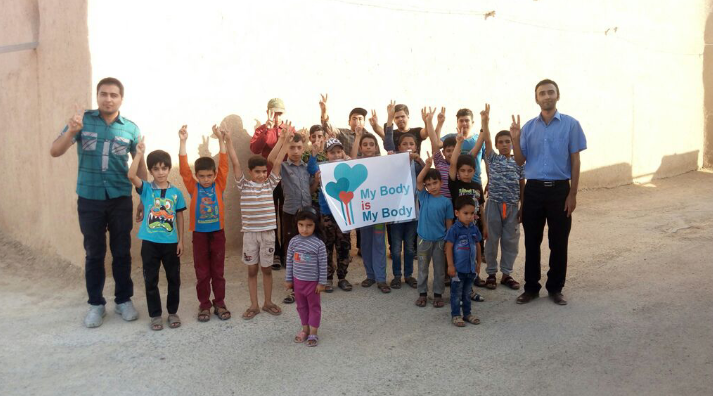
 The brothers are also Iran ambassadors for My Body is My Body, an international educational programme against child abuse, available in 21 languages. They have translated it into Farsi and organized information classes for children and their parents in Iran.

With the support of the World Academy of Medical Sciences, they have also created a national project to raise awareness about the negative physical and mental health consequences of child marriage.

Their work has been well received by children, parents and teachers across the country and abroad. "Many Iranians were very happy with our educational programmes. Every day we received support from children and their parents. We were also invited by many people to organize our classes in cities and in the countryside.”  Their human rights and peace work in Iran and internationally led them to be named World Peace Ambassadors of the International Forum for the Literature and Culture of Peace (IFLAC) in March of this year.

Yet, in Iran, their educational work attracted the wrath of fundamentalist groups who believe that they are promoting Western values, which will corrupt the younger generations. “They say that our activities, especially our campaign against girl brides, promote the UN's 2030 Sustainable Development Goals (SDGs), and because of that children and future generations will lose their Islamic spirit,” Gavanji says. “They believes that child marriage is a correct action and they think that we're promoting anti-Islamic culture in Iran."

After the attack, the brothers hid in the countryside, then in September decided to flee the country, leaving behind their families, research projects and campaigning work. 

They are now living in hiding in a small room in an undisclosed country, as they fear that fundamentalists will track them there. 

 They hope to be offered asylum in Canada or in another country and have launched a signature campaign to help them achieve this. 

“We want to make our voice heard by the United Nations. We ask all journalists, human rights organizations and governments to listen to us and help us.” 
Please, sign their petition.


Friday, 22 May 2020

Surge in global domestic violence during lockdown – the shadow pandemic


In Argentina, the number of women killed has reached a 10-year high under coronavirus lockdown, with more than 50 femicides in less than two months, according to La Casa del Encuentro, a Buenos Aires-based feminist group.  Not only the numbers, but the severity of the violence, is hugely concerning, they said.

In Spain, two women have been killed by their partners since the country’ strict lockdown came into force on 14 March. 

Last month, the UK charity Refuge reported a 50 per cent increase in calls to its National Domestic Abuse Helpline and a 400 per cent spike in visits to its website since the lockdown began.

Across Europe, the lockdown stress and anxiety has led to a sharp spike in the number of women reporting incidents of domestic abuse, according to the World Health Organization.


The data in Argentina and other countries follow a worldwide trend of rising gender-based violence under lockdown that has left women trapped at home with their abusers and unable to seek help while tensions due to COVID-19 escalate.


Social isolation under the current crisis not only increases the risk of domestic abuse, but also hinders access to assistance and protection services.
Dr Hans Kluge, director of WHO’s European region, told a recent press briefing that across the continent the number of women making emergency calls had risen 60 per cent in April, compared to the same month in 2019.


Last month the United Nations Population Fund warned of the "calamitous" impact of a prolonged lockdown, saying it that if it lasted for six months there would be an additional 31 million cases of gender-based violence globally.

Some countries have introduced innovative measures to address the issue – Greenland has limited sales of alcohol, for example, and Spain and France have introduced a system where pharmacists can be alerted to cases of domestic abuse with a code word. Other countries have announced measures including having 24-hour phone helplines, increasing funding,  providing refuge for victims in hotel rooms or having police check on households with previous cases of domestic violence.


CIVICUS (the global alliance of civil society organisations)’ Diversity & Inclusion Group for Networking & Action (DIGNA), recently held a domestic violence webinar with speakers from Botswana, Uganda, Fiji, India and Brazil in order to get some insights into the situation and solutions in their countries.  Here is a quick summary:

UGANDA - Lucky Kobugabe, GBV Prevention Network Uganda
•    Public spaces are becoming even more gendered during the pandemic. The streets are quieter due to lockdown, so women are more likely to be violated by strangers they don't know.

BRAZIL – Ana Addobbati, Social Good Brasil
•    In Rio De Janeiro, police reports can be filed online, and there has been around a 50% increase in cases. Technology is being utilised to adapt to the situation, including the use of apps to report cases.
•    There has been an increase in sexual abuse cases of children and adolescents.

INDIA – Uttanshi Agarwal, One Future Collective
•    In India, only 38% women of have access to technology - COVID-19 has exposed the need for digital literacy, which is now more urgent than ever.
•    Police can help reduce domestic violence during curfew hours by increasing patrols in different areas.
•    They are implementing a follow-up system for officers to call individuals who have reported a case in the last 6-8months, this makes the community feel supported.

FIJI – Roshika Deo, One Billion Rising
•    Curfews are making it harder to access police and restraining orders – abusers are using this to their advantage and targeting women during lockdown hours. Moreover, there has been a rise in verbal and physical abuse during curfew hours.
•    Why isn’t the government using empty hotels to house survivors of domestic violence? Tourism is a major industry in Fiji and there are now many rooms available.
•    Fiji has good legislation relating to domestic violence but it is not being enforced. For example, a police officer can apply for a restraining order via the telephone.

BOTSWANA – Dumiso Gatsha, Success Capital
•    In countries with a high cellphone penetration, such as Botswana, civil society organisations can provide airtime and data.
•    Increased risk for those who are marginalized:  there is a higher risk for LGBT+ persons being ‘outed’ by family members – families are using the lockdown period as a means to control.


Experts stressed that the end of lockdowns will bring additional challenges for women who are victims of an abusive relationship.  Financial uncertainty linked to income and job losses, psychological stress and the generalised feeling of loss of control are among the causes of increased domestic violence.

Additionally, the Covid-19 health crisis also has other effects in the long run, such as not talking to anyone about the violence suffered, unwanted pregnancies and facing difficulties accessing the voluntary termination of pregnancy services.


Services must continue to support vulnerable women and children and people should be on the alert for signs of abuse in the community.